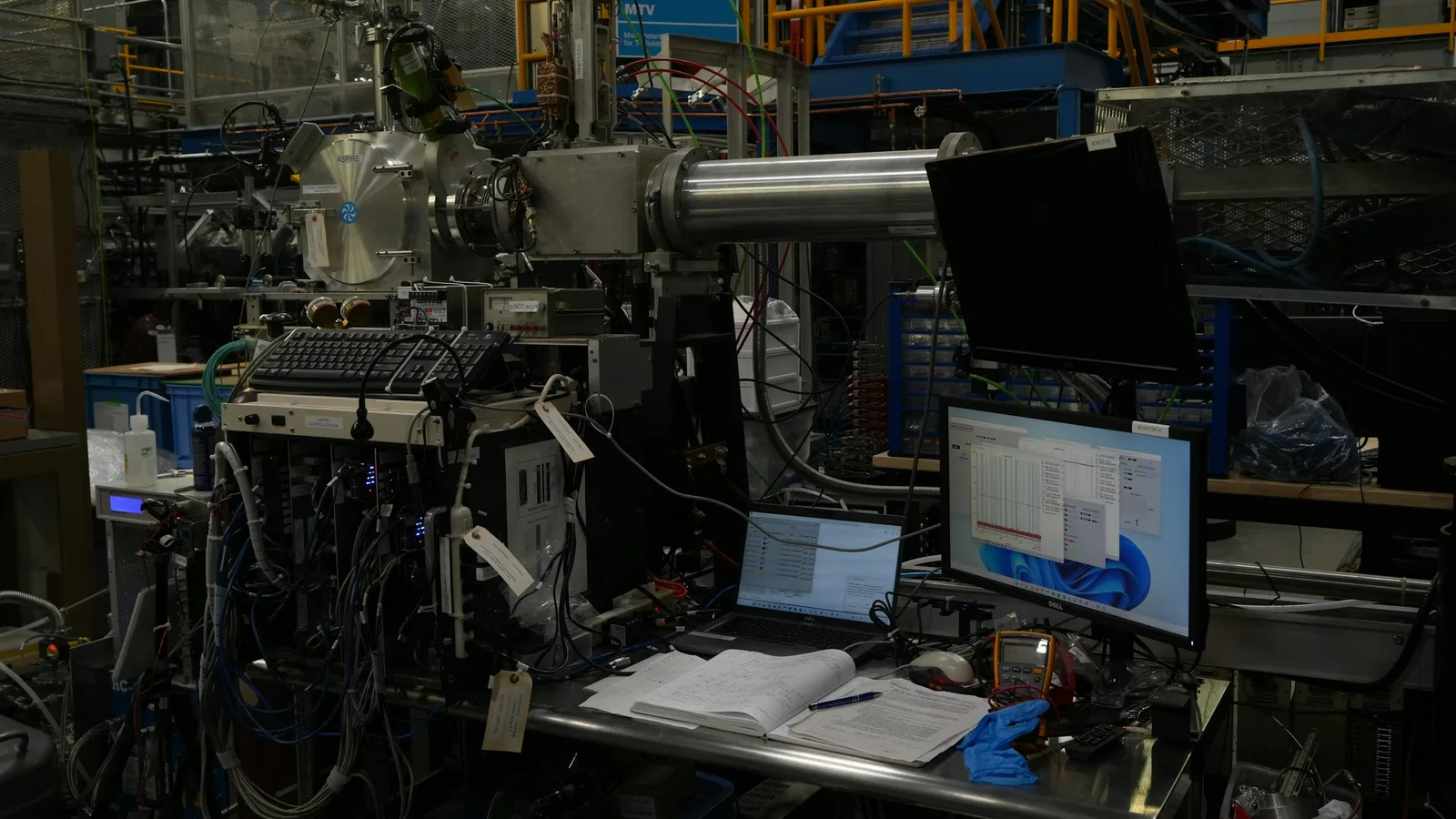
Motion Capture
High-precision motion capture systems that translate movement into accurate 3D data for analysis, visualization and real-world applications.
What is Motion Capture?
Motion capture is the process of recording the movement of people or objects and translating it into precise 3D digital data. Optical cameras track markers — or markerless systems track the body directly — so movement can be measured, analysed and reused across research, engineering and production.
Capture Movement. Unlock Potential.
Motion capture records the movement of objects or people and translates it into digital data — enabling high-accuracy tracking for research, engineering, healthcare and industrial applications.
Our role is not simply to sell products — we help you select, design, integrate and support the complete environment.
Right technology
We help you select what actually fits your goals and budget.
Complete design
The full solution — hardware, software, space and workflow.
Managed integration
Installed and commissioned to work as one from day one.
Long-term support
Maintenance, training and upgrades for many years.
Who uses motion capture
Motion capture serves very different goals across sectors. These are the markets we most often design and integrate systems for.
Universities & Research
Biomechanics, motor control and human-movement studies with publication-grade accuracy.
Healthcare & Rehabilitation
Clinical gait labs, rehabilitation progress tracking and orthopaedic assessment.
Sports & Performance
Technique analysis, injury prevention and return-to-play decisions for elite athletes.
Robotics & Physical AI
Ground-truth tracking for drones, mobile robots and manipulation research.
Industry & Engineering
Ergonomics, assembly validation and product testing with objective motion data.
Media & Virtual Production
Character animation, real-time performance capture and LED-stage workflows.
Motion Capture Technologies
Different applications require different ways of capturing movement. DevinSense combines optical motion capture, markerless tracking and hand/finger tracking to build systems around the actual requirements of each project.
OptiTrack — High-Precision Optical Tracking
OptiTrack uses synchronized infrared cameras to track reflective markers with high precision and low latency. Systems can scale from compact laboratories to large tracking volumes for research, robotics, biomechanics, XR and virtual production.
Accurate 3D tracking of people, rigid bodies and objects.
From smaller laboratory installations to large multi-camera environments.
Motion data can be streamed into research, robotics, simulation and visualization applications.
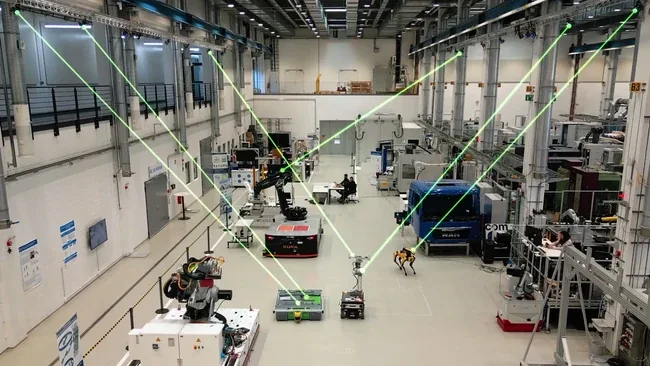
How marker-based tracking works
Infrared light illuminates reflective markers.
Multiple synchronized cameras detect each marker.
The system triangulates marker positions in 3D.
Motive reconstructs rigid bodies, skeletons and movement in real time.
OptiTrack Duplex cameras extend the platform to support both marker-based and markerless motion capture, providing greater flexibility within the same optical tracking environment.
Captury — Markerless Human Motion Capture
Captury reconstructs human movement directly from synchronized camera images without requiring reflective markers or a motion-capture suit. This makes natural movement easier to capture and can simplify workflows involving multiple participants.
Capture human movement without attaching reflective markers.
Subjects can move and interact without traditional marker preparation.
Multi-camera images are processed to reconstruct human movement in 3D.
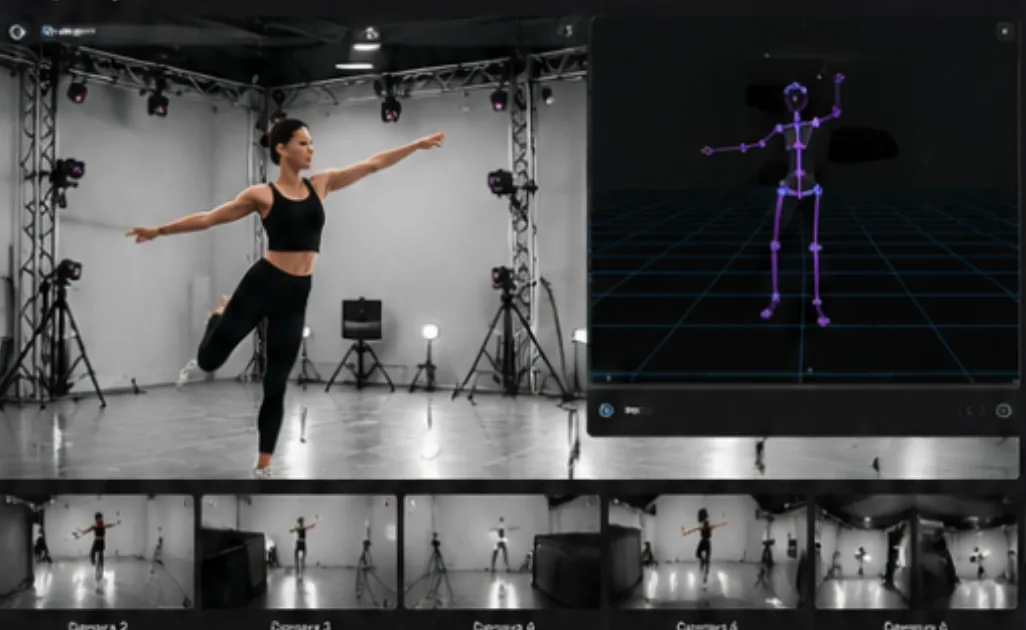
Captury markerless motion capture is supported by OptiTrack PrimeX cameras, allowing DevinSense to combine established optical camera infrastructure with markerless human tracking.
MANUS — Detailed Finger Tracking
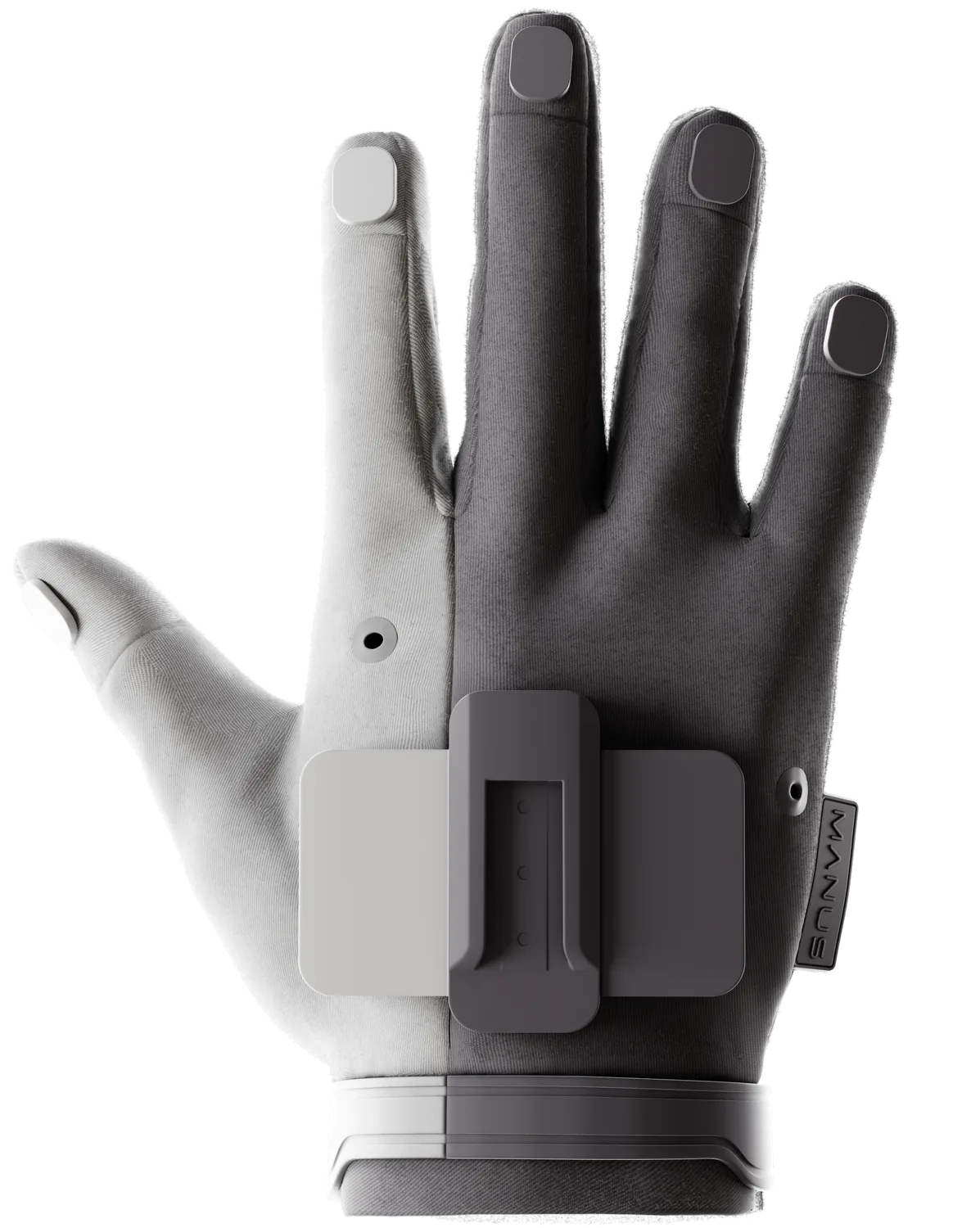
MANUS tracking gloves capture detailed hand and finger movement that is difficult to reproduce using body tracking alone. The technology complements full-body motion capture in research, robotics, XR and human-machine interaction.
Capture detailed articulation of individual fingers and hands.
Combine hand tracking with optical or other body-tracking technologies.
Use hand and finger motion in interactive applications and analysis workflows.
More Than Motion Capture Cameras
A complete motion capture environment often includes much more than cameras. DevinSense designs and integrates the complete system around the application.
Motion Capture
Optical and markerless tracking
Hand Tracking
Detailed finger and hand motion
Biomechanics
Force plates, EMG and complementary measurement systems
Computing & Networking
Workstations, synchronization and network infrastructure
Software Integration
Connection to analysis, robotics, XR and visualization environments
Installation & Support
System design, installation, calibration, training and long-term support
Questions we receive before we start a project
If your question is not answered here, ask us directly — most projects begin with exactly this kind of conversation.